The World Health Organisation defines congenital disorders as “structural or functional anomalies that occur during intrauterine life”.
This means that when a baby is developing in the womb something happens that is not typical and results in what is sometimes referred to as a birth defect.
An estimated 6% of babies worldwide are born with a congenital disorder. In some cases, the impact of a congenital disorder may not be severe. Some congenital disorders can be treated with or without surgical intervention when a baby is born. For examples cleft palate or hernias can be corrected with surgery. While other congenital disorders can have a lifelong impact which can include disability and health problems.
What are the most common congenital disorders?
There are many different congenital disorders and some of them are rare. Some of the more common congenital disorders include:
- cleft lip and palate
- congenital heart disease
- Fragile X syndrome
- Down syndrome (Trisomy 21)
- Spina bifida
- Cystic fibrosis
What does support look like?
Children with some types of congenital disorders, with lifelong impacts, may need long term support such as physiotherapy, speech therapy, occupational therapy and support from their families and communities.
If your child has a congenital disorder, the therapy support that they receive will depend on how they are impacted in their everyday lives across the key areas of development. These being:
- Gross motor skills such as sitting, crawling, walking and jumping
- Fine motor skills such as drawing, writing and using cutlery
- Speech and language including verbal speech and understanding others
- Cognitive and intellectual such as identifying shapes and counting
- Social and emotional such as making friends and playing with others
How can Xavier therapy help?
Our therapist work with children with congenital disorders resulting in disability and life-long impacts on their day-to-day life. We work closely with children and their families to assess and put together a tailored treatment plan. Often our therapists will work together to get the best outcomes for the children we support. For example, your child’s physiotherapist, occupational therapist and speech therapists will work together and with others involved in your child’s care including family and other health professionals.
Some of the ways that our therapists work with children are detailed below.
Occupational Therapy
Our experienced OTs can help with:
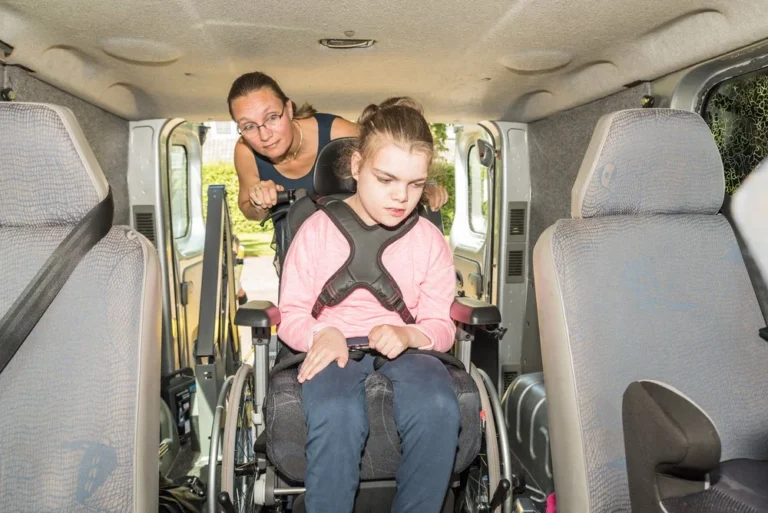
- Prescribing assistive technology such as eating aids, wheelchairs, shower chairs and hoists
- Home and vehicle modifications
- Implementing self-regulation strategies to assist with sensory dysregulation
- Building skills in everyday activities such as toileting, dressing and self-care
- Working with children and their caregivers to work towards developmental milestones
Speech Therapy
Our Speechies can support children with congenital disorders in the following ways:
- Expressing needs, wants, thoughts, ideas and feelings
- Using alternative methods of communication
- Improving how they are understood by other
- Improving how they express what they would like to
- School readiness such as learning to read, problem-solving and social skills
- Improving safety and comfort for swallowing and mealtimes
- Increase quality of life, self-esteem and independence
- Increase participation in everyday activities
Physiotherapy
Our Physiotherapists can help with:
- Developing movement and motor milestones and skills such as crawling, walking, sitting, standing and coordination
- Maintaining or improving strength, muscle tone and flexibility through tailored exercise programs
- Recommendations and prescription for mobility equipment such as walkers and standers
- Strategies to manage pain and stiffness
- Supporting better body positioning and posture
- Respiratory support
- Hydrotherapy programs (where available)
- Skills for play and inclusion
We’re here to help
We’re here to help. If you’d like to find out more about our therapy services, including availability in your area, complete the form on the appropriate therapy page or email intake@xavier.org.au